Selling your home in Somerset can move quickly, but a fast market does not mean you can skip the prep work. Buyers still notice condition, presentation, and signs that a home has been cared for, especially in a county where many households are owner-occupants looking for a place to live day to day. If you want fewer surprises, stronger interest, and a smoother path from listing to closing, the right plan can make a big difference. Let’s break down how to prepare your Somerset home the smart way.
Know what Somerset buyers notice
Somerset County is an active market. Realtor.com describes Somerset County as very hot, with 692 properties for sale and homes selling in a median of 32 days. In ZIP code 08873, it reports 145 properties for sale, homes selling in a median of 24 days, and average sale prices at about 101% of list price in May 2026.
That kind of pace can create opportunity, but buyers still compare homes carefully. Census QuickFacts reports a 74.3% owner-occupied housing unit rate in Somerset County, which suggests many local buyers are shopping for a home they plan to live in, not just an investment. That means practical features, visible upkeep, and move-in readiness can carry real weight.
Buyers are also thinking about how a home fits everyday life. Realtor.com’s county overview notes convenient transportation access, and commuting factors have become more important in buyer decisions. As you prepare your home, think beyond appearance alone and focus on function, comfort, and a clean, cared-for impression.
Start early and work backward
One of the best ways to reduce stress is to give yourself enough runway. A realistic prep window is often 6 to 18 months, especially if your home needs repairs, decluttering, staging, or compliance items before listing.
Starting early gives you time to make decisions without rushing. You can compare repair options, gather paperwork, plan your budget, and decide what will give you the best return in buyer confidence. It also helps you avoid last-minute issues that can delay closing.
Focus on repairs that affect negotiations
Not every project needs to be done before you sell. The goal is not perfection. The goal is to handle the issues most likely to concern buyers, show up in inspections, or lead to price reductions later.
A pre-listing inspection can be helpful if you want a clearer picture of your home’s condition before showings begin. It is not required, but it can help you spot trouble areas early and give you time to budget or schedule repairs on your terms.
Inspectors often flag issues such as:
- Roof problems
- Drainage concerns
- Faulty wiring
- HVAC issues
- Structural or foundation concerns
- Safety problems involving smoke alarms or carbon monoxide detectors
These are worth attention because they can create safety concerns, financing concerns, or obvious negotiation points. Even in a strong market, buyers may use these items to ask for repairs, credits, or a lower price.
Use a budget-conscious prep strategy
You do not need a full remodel to make your home more market-ready. In many cases, smaller fixes and better presentation can have more impact than a major renovation.
A smart prep checklist includes a few simple priorities:
- Organize and deep clean the home
- Improve curb appeal
- Gather warranties, manuals, and repair records
- Get replacement estimates for older big-ticket items
- Address visible deferred maintenance
If your roof, carpet, or another major feature is older, it can help to get a replacement estimate even if you are not planning to replace it. That gives you useful information if a buyer raises the issue during negotiations. You can then make a more informed decision about whether to repair, offer a credit, or sell as is.
Visible exterior maintenance also matters. Research on buyer interest in energy efficiency found that windows, doors, and siding stand out to many clients. For sellers, that supports putting money into modest exterior repairs and upkeep before considering expensive upgrades.
Improve curb appeal first
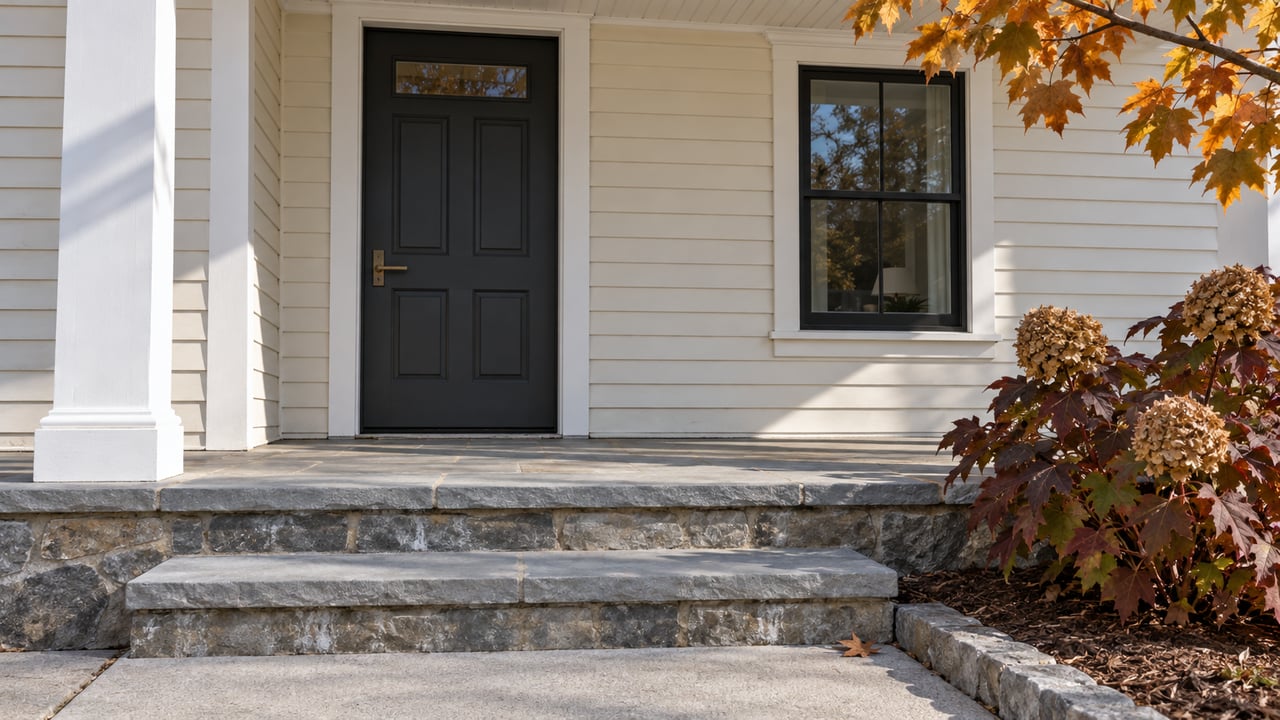
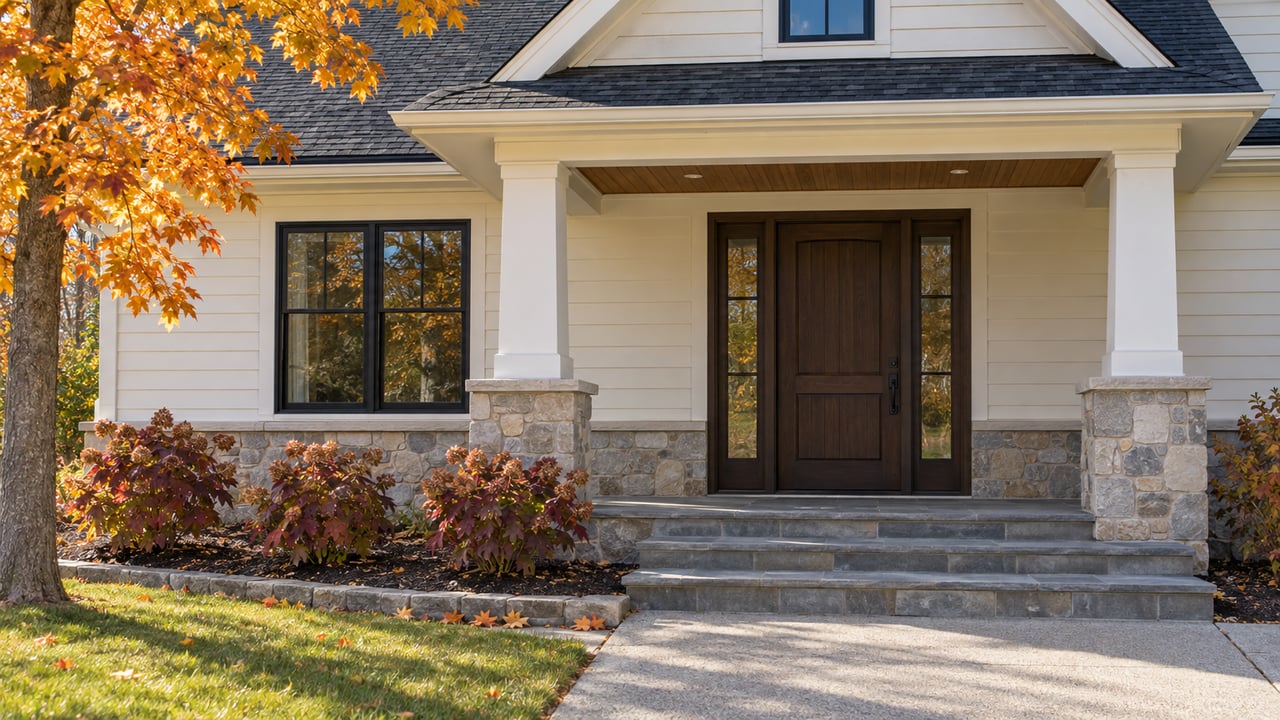
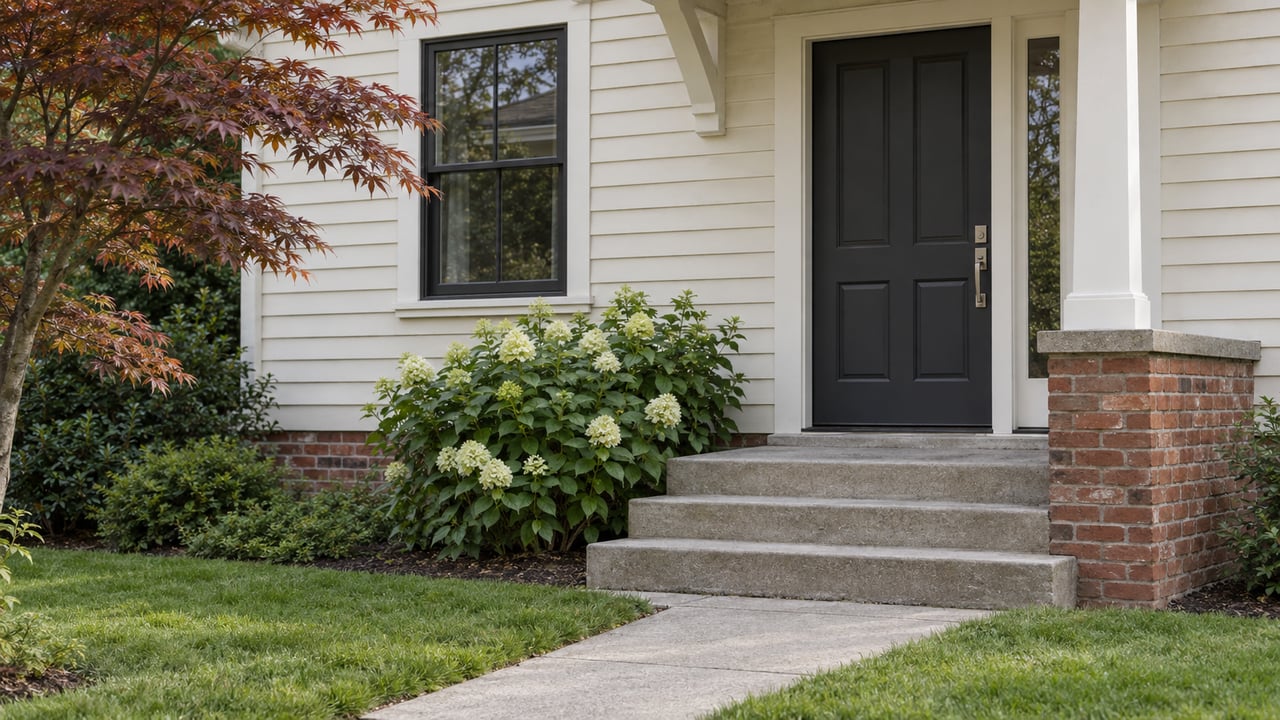
Your exterior sets the tone before a buyer ever walks inside. In an online search, the front photo may be your first showing. In person, the outside of the home signals whether the rest of the property feels maintained.
Focus on affordable improvements that create a clean, welcoming look. Trim landscaping, edge the lawn, clear walkways, touch up peeling paint, clean the front door, and make sure house numbers and exterior lighting look neat and functional.
If your siding, windows, or entry area show visible wear, even a modest refresh can help. Buyers often read exterior condition as a clue to how the home has been maintained overall.
Stage the rooms that matter most
Staging does not have to mean furnishing every room from scratch. In fact, if you are watching your budget, it makes sense to focus on the spaces buyers care about most.
According to NAR’s 2025 staging report, 83% of buyers’ agents said staging made it easier for buyers to visualize the property as a future home. The same report found that 60% said staging affected most buyers’ view of a home most of the time.
The highest-impact rooms to stage first are:
- Living room
- Primary bedroom
- Kitchen
Those are the rooms where layout, cleanliness, and visual flow can shape a buyer’s first impression. If your home is already in solid condition, a modest staging budget may be enough to strengthen the listing photos and in-person experience.
The same report found a median cost of $1,500 for professional staging and $500 for seller-agent-led staging. It also found that 17% of buyers’ agents saw a 1% to 5% increase in the dollar value offered when a home was staged. That is not a guarantee, but it does support thoughtful, targeted staging.
Declutter for space and function
Decluttering is one of the most cost-effective steps you can take. Buyers want to see space, storage, and how the home functions. When countertops, closets, shelves, and floors are crowded, rooms can feel smaller and more distracting.
As you declutter, aim for clean surfaces and easy movement through each room. Remove excess furniture, personal collections, and anything that draws attention away from the home itself. This is also a good time to start packing items you will not need before the move.
Gather paperwork before listing
A smoother sale often comes down to preparation behind the scenes. When buyers ask questions or inspections raise concerns, having your paperwork ready can save time and reduce uncertainty.
Try to gather:
- Warranties and guarantees
- Appliance manuals
- Repair invoices
- Service records
- Replacement estimates for older items
- Disclosure-related information
Having this material organized can help support conversations during attorney review, inspection negotiations, or buyer due diligence. It also shows that you have taken the process seriously.
Understand New Jersey disclosure requirements
New Jersey sellers should be prepared to disclose known material defects. The state’s Seller’s Property Condition Disclosure Statement says the purpose is to disclose, to the best of the seller’s knowledge, the condition of the property. It also says sellers are obligated to disclose known material defects even if they are not specifically addressed on the form.
This is important because buyers may still complete their own inspections, and the disclosure form is not a substitute for those inspections. Being honest and thorough from the start can reduce the risk of disputes later.
Flood risk is another key item. Beginning March 20, 2024, New Jersey requires flood-risk disclosure, including whether a property is in FEMA’s Special Flood Hazard Area or Moderate Flood Hazard Area and the seller’s actual knowledge of flood risk. If flood risk applies to your property, make sure you are prepared with accurate information before listing.
Do not wait on smoke certificate items
For one- and two-family homes in New Jersey, a smoke alarm compliance certificate is required before sale or change of occupancy. The New Jersey Division of Fire Safety says the certificate is obtained through the municipality with jurisdiction, and a DCA notice says the certificate is valid for six months from the date of issue.
That means alarm-related items should be checked early, not right before closing. Test smoke alarms and carbon monoxide alarms well in advance, replace batteries if needed, and make sure the home is positioned for the municipal inspection process when the time comes.
Plan for a smoother closing
The easiest closings usually start with solid prep long before the first showing. When your home is clean, staged, documented, and aligned with New Jersey requirements, you give buyers fewer reasons to hesitate and fewer openings to renegotiate.
You also give yourself more control. Instead of reacting to every issue under pressure, you can make decisions with better information and a clearer strategy. That often leads to a smoother experience from listing through closing day.
If you are thinking about selling in Somerset, the best next step is to build a prep plan around your timeline, budget, and the condition of your home. For calm, hands-on guidance from pricing through preparation and marketing, connect with Erick Gonzalez.
FAQs
Should I get a pre-listing inspection before selling my Somerset home?
- A pre-listing inspection is not required, but it can help you identify repair issues before buyers see the home or complete their own inspection.
Which rooms should I stage first when selling a home in Somerset NJ?
- Focus on the living room, primary bedroom, and kitchen first, since these are the rooms buyers tend to respond to most.
What paperwork should I gather before listing my Somerset home?
- Gather warranties, guarantees, appliance manuals, repair records, replacement estimates, and disclosure-related documents before your home goes on the market.
What issues most often cause renegotiation during a Somerset home sale?
- Roof, drainage, wiring, HVAC, and smoke or carbon monoxide alarm issues are common concerns that can lead to repair requests or price negotiations.
Do I need to disclose flood risk when selling a home in New Jersey?
- Yes. New Jersey requires flood-risk disclosure for covered properties, including certain flood hazard area status and the seller’s actual knowledge of flood risk.
How far in advance should I prepare my Somerset home for sale?
- A 6 to 18 month timeline can give you enough time to review condition, schedule repairs, stage key rooms, and complete required compliance steps without rushing.